Introduction
If your Milwaukee M18 FUEL drill or impact driver starts slipping or overdriving fasteners, the clutch adjustment mechanism may need attention. This step-by-step guide walks you through diagnosing and fixing clutch issues on these powerful tools, helping you restore precise torque control without unnecessary service costs. Proper clutch function is critical for avoiding stripped screws, broken bits, and inconsistent fastening in heavy-duty applications.
Why Is My Milwaukee M18 FUEL Clutch Slipping or Not Engaging?
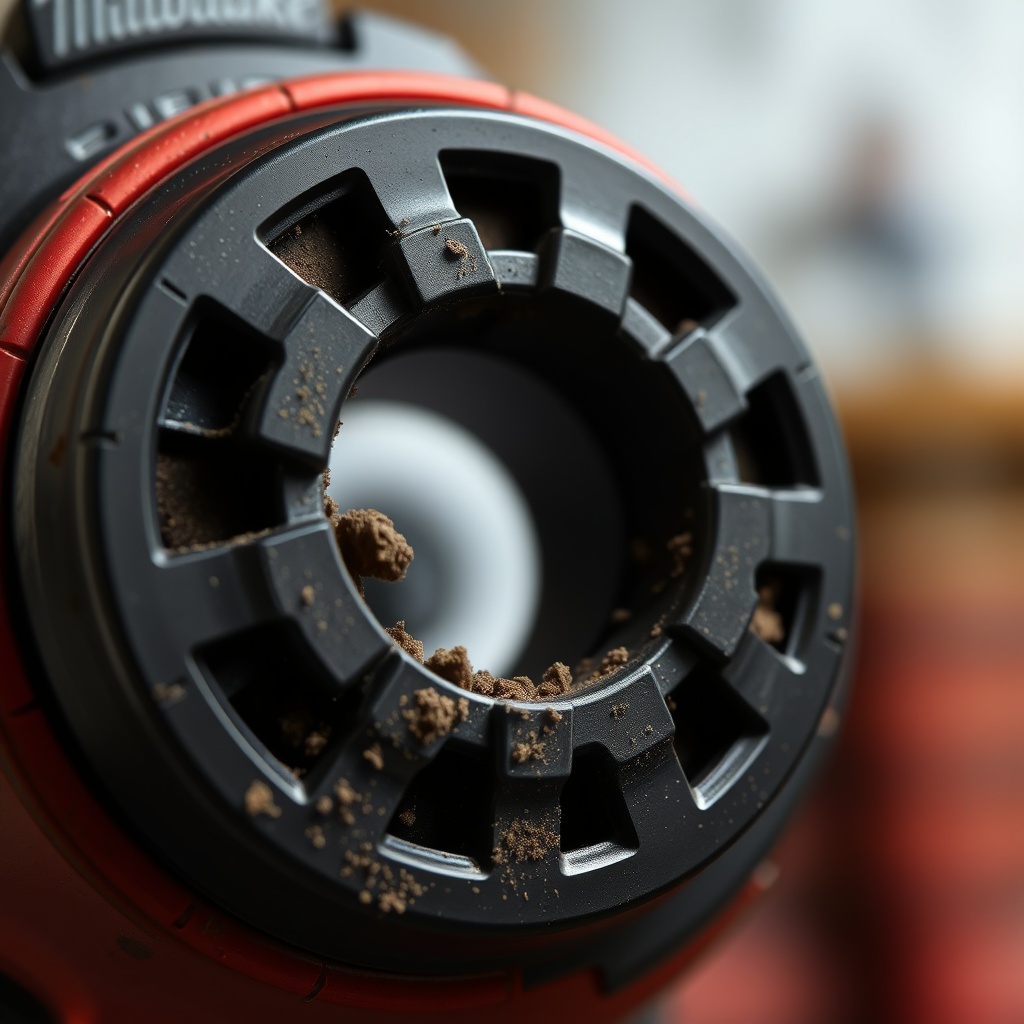
A slipping or non-engaging clutch often stems from worn-out detent springs, hardened grease, or debris lodged in the clutch ring. Over time, the springs that click into torque settings lose tension, especially under heavy load or after extensive use in dusty environments. In some cases, the clutch collar may crack or become misaligned due to impact, causing it to spin freely without engaging the internal mechanism. Before diving into disassembly, check for visible blockages or cracks around the clutch ring.
If your tool consistently fails to hold a setting, even after cleaning, internal wear is likely. The detent springs inside the housing can flatten or break, preventing the collar from locking into position. This issue is more common in older M18 FUEL models used daily for construction or framing. For a broader comparison of how the M18 FUEL clutch holds up against competitors, see our Milwaukee M18 FUEL vs DeWalt DCD791: Full Spec Comparison which highlights torque precision differences.
A quick test: set the clutch to a low number (e.g., 5), then try turning the collar while applying slight pressure. If it rotates past the clicks without resistance, the springs need replacement. If the collar feels stuck or gritty, lubricant contamination or rust may be the culprit.
How to Disassemble the Clutch Assembly for Inspection
To inspect the clutch, you need to remove the front portion of the tool head. Begin by disconnecting the battery. Use a T15 Torx driver to remove the four screws securing the gear case cover. On some models, a Phillips-head screw sits near the chuck base, so check your manual. Once the cover is off, gently slide the clutch ring forward off the spindle housing.
Inside, you will see a metal ring with small ball bearings and spring-loaded detents. Carefully note the order of parts—take a photo if needed. Remove the retaining clip using snap-ring pliers, then extract the detent springs and bearings. Clean everything with electrical contact cleaner to remove old grease and debris. Check the springs for compression: a healthy spring returns to full length after being pressed. Replace any that are flattened or broken.
- Tools needed: T15 Torx driver, snap-ring pliers, electrical cleaner, small pick set.
- Common wear items: Detent springs (part number 42-06-1500, approx. $8.99 USD per set), ball bearings (3/16 inch, about $4.50 USD).
- Time estimate: 30–45 minutes for a typical repair.
If the clutch ring itself is cracked, order a replacement specific to your M18 FUEL model (usually $15–$20 USD). For tools with persistent issues, check out Milwaukee M18 FUEL Battery Not Charging: Causes and Fixes because a failing battery can sometimes mimic clutch problems by causing erratic speed.
Step-by-Step Clutch Adjustment and Reassembly Process
After cleaning and replacing worn components, apply a thin layer of lithium-based grease to the detent channels and bearing race. Reinstall the ball bearings into their sockets, then place the new springs on top. The metal retainer ring should snap back into its groove with even pressure. Slide the clutch ring back over the assembly, ensuring the internal tabs align with the gear case grooves.
- Align tabs: Rotate the clutch ring until you hear two distinct clicks—this confirms the detents are seated.
- Secure cover: Reattach the gear case cover with four T15 screws, torquing to 10–12 in-lbs (1.1–1.4 Nm). Do not overtighten.
- Test settings: Reinstall battery, set clutch to 10, and drive a screw into softwood. Increase or decrease setting to verify gradual resistance changes.
- Final check: Set to drill icon (max torque) and run for 10 seconds at full speed to distribute grease.
If the clutch still fails to hold after reassembly, inspect the eccentric cam inside the housing—a design flaw in some early M18 FUEL units. Replacement cams are available for under $10 USD from authorized service centers. For circular saw users, a similar mechanical issue can affect the spindle lock; see Milwaukee M18 FUEL Circular Saw Spindle Lock Not Engaging: Causes and Fixes for related repair techniques.
How to Lubricate the Clutch Mechanism Properly
Proper lubrication prevents premature wear and ensures consistent torque transfer. Use a silicone-based grease specifically designed for power tool gearboxes (e.g., Milwaukee 48-80-0200, $8.50 USD per tube). Avoid petroleum-based greases, which can damage plastic components over time. Apply only a pea-sized amount per detent channel—excess grease attracts dust and causes sticking.
| Lubricant Type | Brand/Part | Cost (USD) | Application Method |
|---|---|---|---|
| Silicone grease | Milwaukee 48-80-0200 | $8.50 | Small brush to channels |
| White lithium grease | Lucas Oil 10335 | $7.00 | Thin coat on bearing race |
| Dielectric grease | Permatex 22058 | $6.50 | Not recommended for detents |
Lubricate every six months under heavy use, or whenever you notice gritty resistance in the clutch ring. For reciprocating saw clutches, a similar maintenance schedule applies; refer to Milwaukee M18 FUEL Sawzall vs DeWalt FlexVolt: Which Reciprocating Saw Wins? for durability comparisons.
Common Misdiagnoses: What Else Mimics a Bad Clutch?
Many users replace the clutch unnecessarily when the real issue lies elsewhere. A failing battery with weak voltage can cause the tool to pulse or stop under load, mimicking a slipping clutch. Similarly, a worn chuck that cannot grip the bit may make you think the clutch is faulty. Test with a fully charged battery on a different M18 FUEL tool first. If the drill runs smoothly on another tool, the battery is fine.
Another culprit is the trigger switch: if it’s dirty or damaged, the tool may run at inconsistent speeds, which feels like clutch slippage. Clean the switch with contact cleaner if you suspect contamination. For ratchet-specific repairs, see Milwaukee M18 FUEL Ratchet Not Working: Step-by-Step Guide for trigger-switch troubleshooting.
What Owners Say
User experiences with M18 FUEL clutch adjustments are mixed but informative. On forums like Tools in Action, one contractor reported fixing a 3-year-old drill by replacing the detent springs after the clutch refused to click at any setting. Parts cost him $12 USD, and the repair took 40 minutes. Another owner noted that regular lubrication with Milwaukee’s grease extended clutch life by over a year in a framing crew environment.
However, a few users complained that the clutch ring cracked after dropping the tool from scaffolding. In those cases, full replacement of the front housing assembly was necessary (around $35 USD). Many agree that cleaning the clutch after wet or dusty job sites prevents up to 80% of adjustment issues. One reviewer warned against using WD-40 as a lubricant, saying it dried out the springs within a month. Overall, the consensus is that the clutch is repairable with basic tools, but neglecting maintenance leads to quicker wear.
Frequently Asked Questions
Why does my Milwaukee M18 FUEL clutch not click at every setting?
This usually indicates worn detent springs or hardened grease that prevents the balls from seating. Open the clutch, replace springs, and apply fresh lubricant.
Can I adjust the clutch while the tool is running?
No—always turn off the tool and remove the battery before adjusting the clutch ring to avoid injury or damage to internal parts.
What torque setting should I use for drywall screws with M18 FUEL?
Start at clutch setting 12–14 on the drill. Test on scrap material; lower if screws sink too deep. For impact drivers, use the precision drive mode.
Will a faulty clutch void the warranty?
No, if the issue is due to normal wear. However, disassembling the tool may void the warranty if you break seals. Check Milwaukee’s 5-year tool warranty policy.
How often should I service the clutch on a M18 FUEL drill?
Under heavy daily use, lubricate every six months and inspect springs annually. Light DIY users may only need service every 2–3 years.
Can I replace the clutch ring without removing the chuck?
No—you must remove the chuck to access the retaining clip and springs. A chuck removal tool (Milwaukee 49-40-5000) costs around $15 USD and simplifies the process.