
What Battery Platforms Are Compatible with the DeWalt DCD791?
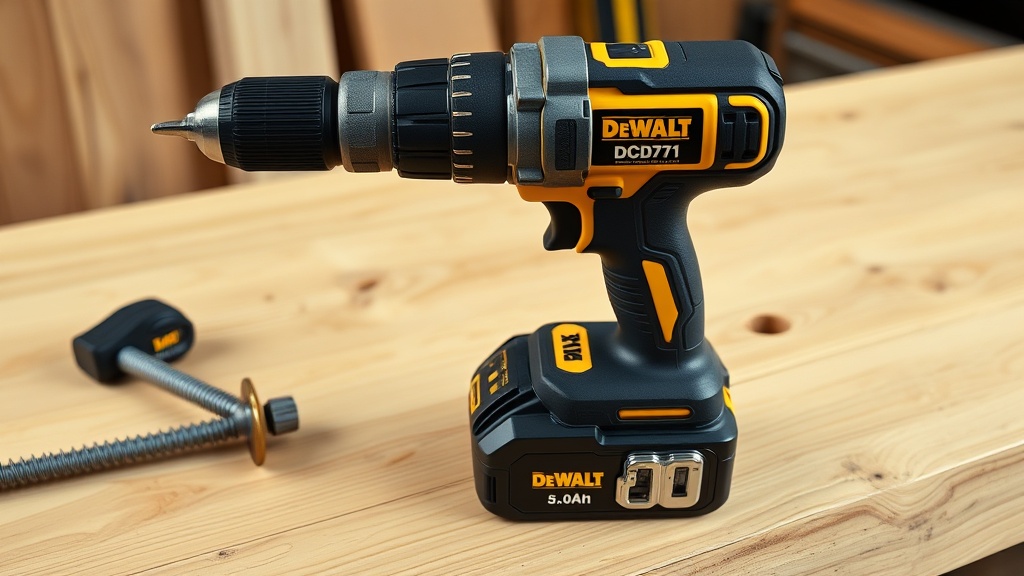
The DeWalt DCD791 20V MAX* brushless compact drill is engineered to work exclusively with DeWalt’s 20V MAX* and 20V MAX* XR lithium-ion battery platforms. It does not support older 18V NiCad or 14.4V systems. This compatibility ensures you get the full benefit of the brushless motor’s efficiency and power delivery, which is optimized for the higher voltage and consistent discharge curves of modern Li-ion packs.
Essentially, any battery bearing the yellow and black label with “20V MAX” or “20V MAX XR” will physically and electronically connect to the DCD791. This includes the standard compact packs (e.g., DCB201, DCB202) and the high-capacity XR packs (e.g., DCB204, DCB205, DCB206). The tool also works with the newer PowerStack pouch-cell batteries (DCBP034, DCBP208), which offer a slimmer profile and higher power density.
Does the DCD791 Work with 18V or 12V DeWalt Batteries?
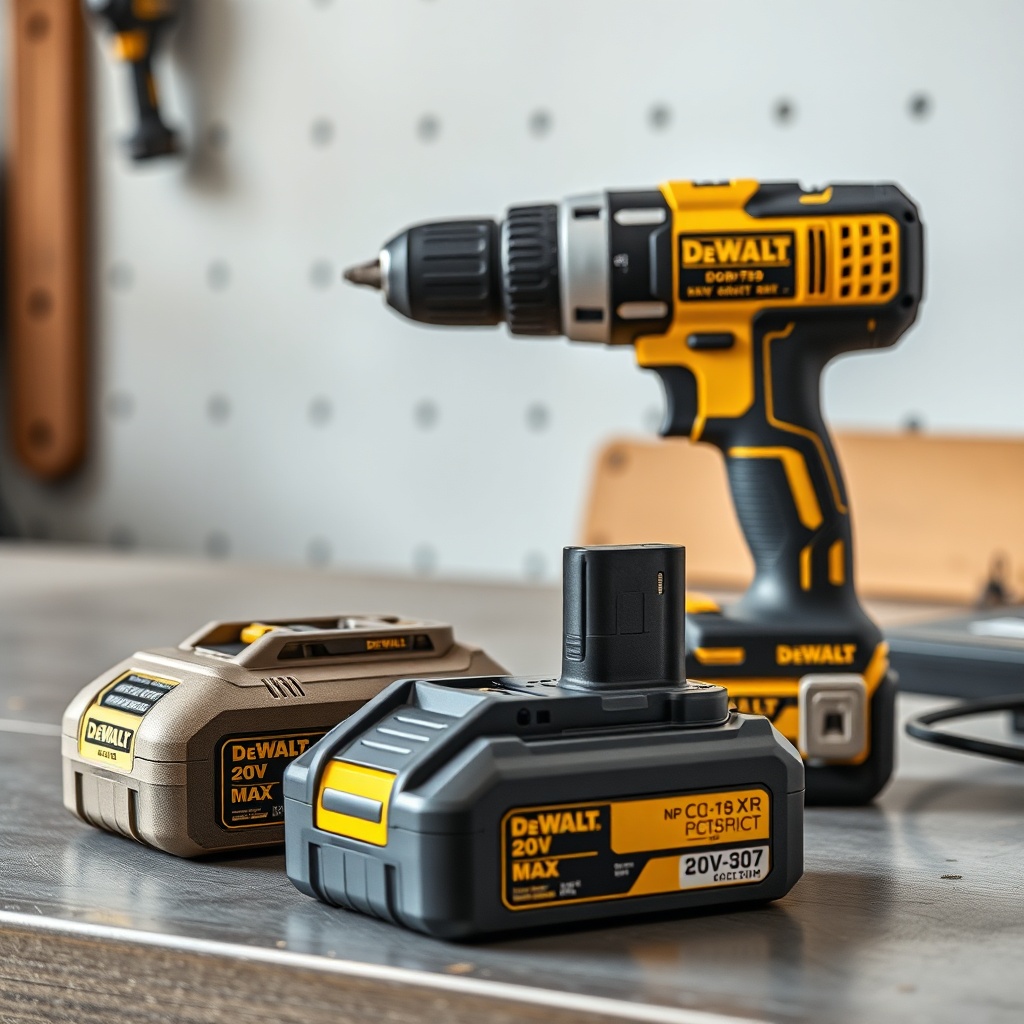
No. The DCD791 is a 20V MAX* tool and is not mechanically or electrically compatible with DeWalt’s 18V NiCad or 12V MAX battery systems. Attempting to force a 12V or 18V pack into the battery port will not work—the physical shape, voltage, and communication protocols are completely different. DeWalt uses a distinct slide-on rail system for 20V/60V packs, while older 18V tools used a different rail profile and typically had a separate charger contact.
If you own older DeWalt 18V tools and are upgrading to the DCD791, you will need to invest in new 20V MAX batteries and the appropriate charger. Fortunately, many DCD791 owners find the switch worthwhile due to the weight savings and runtime improvements of the new system. The tool is also part of the wider 20V MAX/60V MAX FLEXVOLT ecosystem, meaning you can use the same batteries across a range of other DeWalt power tools.
Which Specific DeWalt Battery Models Are Best for the DCD791?
While all 20V MAX batteries fit, performance varies significantly by capacity (Ah) and cell type. Below is a comparison of common compatible battery models for the DCD791 based on runtime, weight, and application suitability. Prices shown are approximate retail values in USD.
| Model | Capacity (Ah) | Weight (approx.) | Best For | Typical Price (USD) |
|---|---|---|---|---|
| DCB201 | 1.3 Ah | 0.55 lbs (250 g) | Light-duty drilling, driving screws, tight spaces | $39 |
| DCB203 | 2.0 Ah | 0.66 lbs (300 g) | General-purpose compact tasks | $49 |
| DCB204 | 4.0 Ah | 1.02 lbs (462 g) | All-day drilling, medium drain applications | $79 |
| DCB205 | 5.0 Ah | 1.20 lbs (544 g) | Extended runtime, heavy-duty tasks | $109 |
| DCB206 | 6.0 Ah | 1.35 lbs (610 g) | Maximum runtime for large jobs | $139 |
| DCBP034 | 3.0 Ah (PowerStack) | 0.75 lbs (340 g) | Compact power, higher discharge rate | $79 |
| DCBP208 | 8.0 Ah (PowerStack) | 1.40 lbs (635 g) | Extreme runtime, high-power output | $179 |
For most users, the 4.0 Ah XR pack (DCB204) offers the best balance of weight, runtime, and cost. The compact 2.0 Ah (DCB203) is ideal for overhead work or when the drill needs to fit in a tight toolbox. If you’re drilling large holes in metal or using hole saws, the 6.0 Ah (DCB206) or PowerStack 8.0 Ah (DCBP208) provides the necessary power endurance.
Does the DCD791 Charge Faster with Certain Batteries?
Yes, charging speed depends on both the battery’s capacity and the charger used. The DCD791 itself does not include a charger, but it is typically sold as a bare tool or in a kit with a compatible charger (e.g., DCB107, DCB115, or DCB118). The tool’s electronics do not affect charging speed; that is solely determined by the charger and battery.
Smaller batteries like the DCB201 (1.3 Ah) can fully charge in about 30 minutes on a standard DCB107 charger. Larger packs like the DCB206 (6.0 Ah) take approximately 60-90 minutes on the same charger. However, using a higher-output charger like the DCB118 (8A) can cut charging times significantly—down to 20-30 minutes for a 4.0 Ah pack. PowerStack batteries (DCBP034/DCBP208) are designed for faster charging and can accept higher current rates without overheating.
It’s worth noting that mixing very high-capacity batteries (e.g., 8.0 Ah) with a basic 1A charger (DCB100) will result in extremely long charge times—upwards of 4-5 hours. To maximize your DCD791’s uptime, pair it with a rapid charger (at least 4A) and medium-capacity packs (4-5 Ah). For more on thermal performance during heavy use, see our guide on overheating issues.
Can I Use Generic or Third-Party Batteries with the DCD791?
While physically compatible third-party batteries exist on the market, DeWalt strongly advises against using non-OEM packs. The DCD791’s brushless motor relies on precise electronic communication with the battery to regulate power delivery and prevent overheating. Generic batteries often lack the proper cell quality, safety circuitry, or communication protocol, leading to several potential problems:
- Reduced runtime: Many third-party packs use lower-quality cells with higher internal resistance, meaning less usable energy per charge.
- Overheating risk: Without proper thermal management, the battery can overheat during extended use, potentially damaging the tool or causing the battery to swell.
- No fuel gauge: The DCD791’s three-LED fuel gauge will often not function correctly with non-genuine batteries, leaving you guessing about remaining charge.
- Warranty void: Using third-party batteries can void the tool’s warranty if damage results from battery malfunction.
If you are on a budget, consider buying a genuine DeWalt bare tool and then purchasing slightly older OEM packs (like the DCB204) from reputable sellers. These often sell for around $50-60 on sale, offering much better reliability than generic alternatives. Avoid the temptation of ultra-low-priced no-name batteries from online marketplaces, as they can be dangerous and fail prematurely.
What Is the Maximum Battery Capacity Supported by the DCD791?
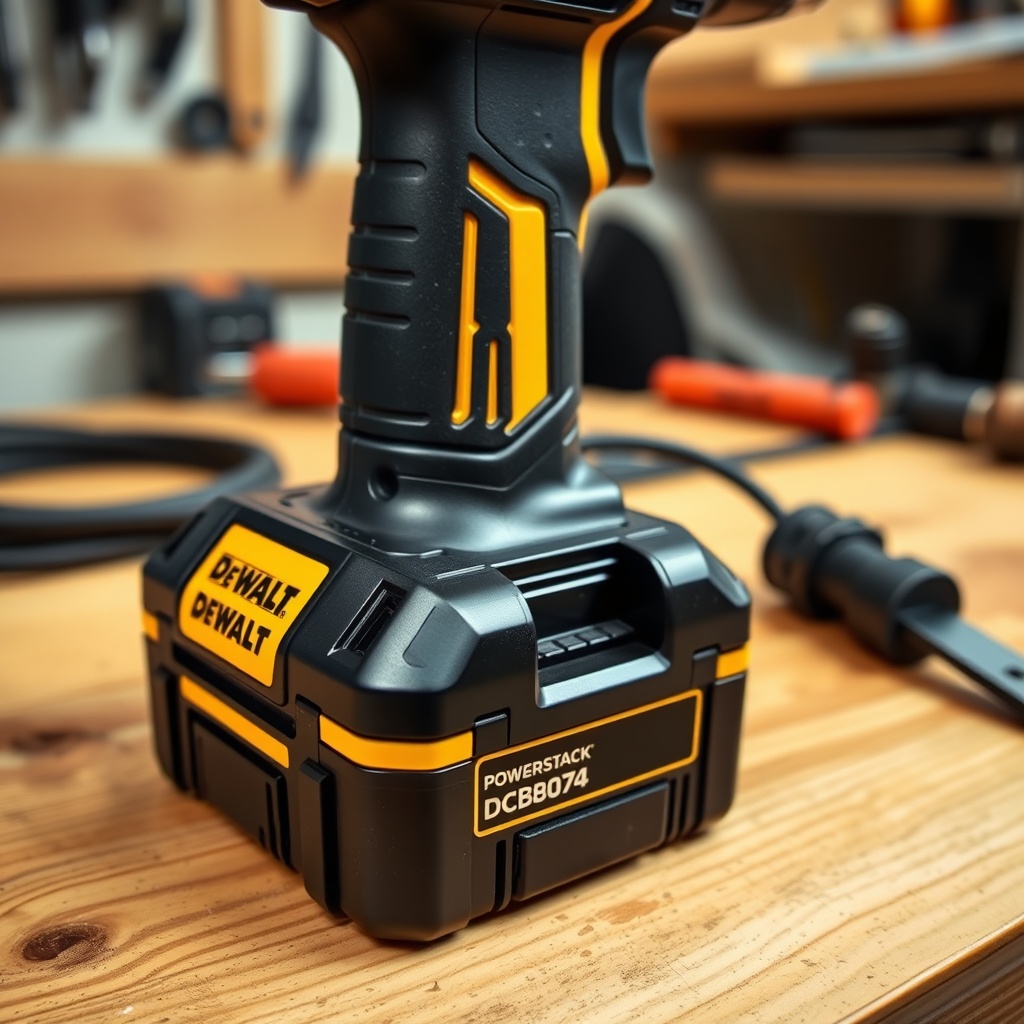
The DeWalt DCD791 does not have a formal upper capacity limit. It will physically and electrically accept any 20V MAX or 20V MAX XR battery, including the highest-capacity packs currently available, such as the DCB206 (6.0 Ah) and the PowerStack DCBP208 (8.0 Ah). However, there are practical considerations:
- Weight: An 8.0 Ah PowerStack battery adds significant heft (1.40 lbs), which may tip the balance of the drill and cause fatigue during prolonged overhead use.
- Ergonomics: The longer base of high-capacity packs can make the drill feel more rear-heavy, especially when using large bits or hole saws.
- Runtime: Maximum capacity yields maximum runtime—great for all-day framing or long decking projects.
- Speed: The DCD791’s motor and gearbox are designed to handle the higher current draw of large packs without issue, so you won’t lose performance.
In practice, the 4.0 Ah (DCB204) and 5.0 Ah (DCB205) packs are the most popular choices for the DCD791 because they provide a good balance of power and manageability. If you need to drill many large holes in concrete or drive dozens of lag bolts, a 6.0 Ah or 8.0 Ah pack will save you from frequent battery swaps. Remember to always store batteries at room temperature and avoid leaving them in direct sunlight or inside a hot vehicle, as high temperatures can degrade Li-ion cells over time.
What Owners Say About Battery Performance on the DCD791
User feedback on forums and tool review sites consistently praises the DCD791’s battery efficiency. Many owners note that the brushless system provides noticeably longer runtime compared to older brushed DeWalt drills. For example, on a 4.0 Ah XR battery, users report being able to drive 300-400 3-inch deck screws on a single charge, or drill up to 50+ 1-inch holes in softwood. The compact 1.3 Ah packs are best for light tasks like installing cabinet hardware or assembling furniture.
Some users mention that the DCD791’s LED fuel gauge is more accurate with genuine XR packs than with some older 20V batteries, though overall battery management is reliable. A few owners have experienced a slight power drop when the battery indicator shows one bar remaining, which is typical of all Li-ion tools. Overwhelmingly, the sentiment is that sticking with OEM batteries is worth the premium for reliability and longevity.
One common tip from experienced users is to cycle between two mid-size batteries (e.g., a pair of 4.0 Ah packs) rather than using one large pack. This allows one battery to cool while the other is in use, maximizing both runtime and battery lifespan. If you’re performing heavy drilling that generates heat, check our guide on overheating fixes for the DCD791.
Frequently Asked Questions
Q: Can I use a DeWalt 60V MAX FLEXVOLT battery with the DCD791?
A: Yes, FLEXVOLT batteries (e.g., DCB606, DCB609) are physically and electrically compatible with the DCD791. They will operate in 20V MAX mode when used with this tool, providing extended runtime due to their high capacity (6-9 Ah). However, they are noticeably heavier and may be impractical for everyday use.
Q: Will a 2.0 Ah battery provide enough power for heavy-duty drilling?
A: The 2.0 Ah pack will power the DCD791 and deliver full torque, but its runtime is limited—typically 15-20 minutes of continuous heavy drilling. For intermittent use, it works fine, but for demanding tasks, a 4.0 Ah or larger battery is strongly recommended.
Q: How do I know if a third-party battery is safe to use with the DCD791?
A: Look for batteries that include overcurrent protection, temperature sensing, and a communication chip. Even then, performance and lifespan are often inferior to OEM packs. For safety, we recommend only using genuine DeWalt batteries or well-known aftermarket brands with certified safety ratings (e.g., UL listing).
Q: Does the DCD791’s fuel gauge work with all batteries?
A: The three-LED fuel gauge on the DCD791 works reliably with genuine DeWalt 20V MAX and 20V MAX XR batteries. With third-party packs, the gauge may be inaccurate or not function at all, as it relies on the battery’s internal communication capabilities.
Q: Can I charge a 20V MAX battery from a DCD791 kit on any DeWalt charger?
A: Yes, all DeWalt 20V MAX batteries are backward and forward compatible with the entire range of DeWalt 20V chargers (DCB100, DCB107, DCB115, DCB118, etc.). However, charging speed varies as discussed above.
Q: What is the best way to store batteries for the DCD791 when not in use?
A: Store batteries at a 40-60% charge level in a cool, dry place (40-70°F). Avoid freezing temperatures or direct heat. Li-ion batteries degrade faster if stored fully charged for long periods (over 3 months) or at extreme temperatures.