DeWalt DCD791 vs Milwaukee M18 FUEL: Common Problems and Troubleshooting Guide
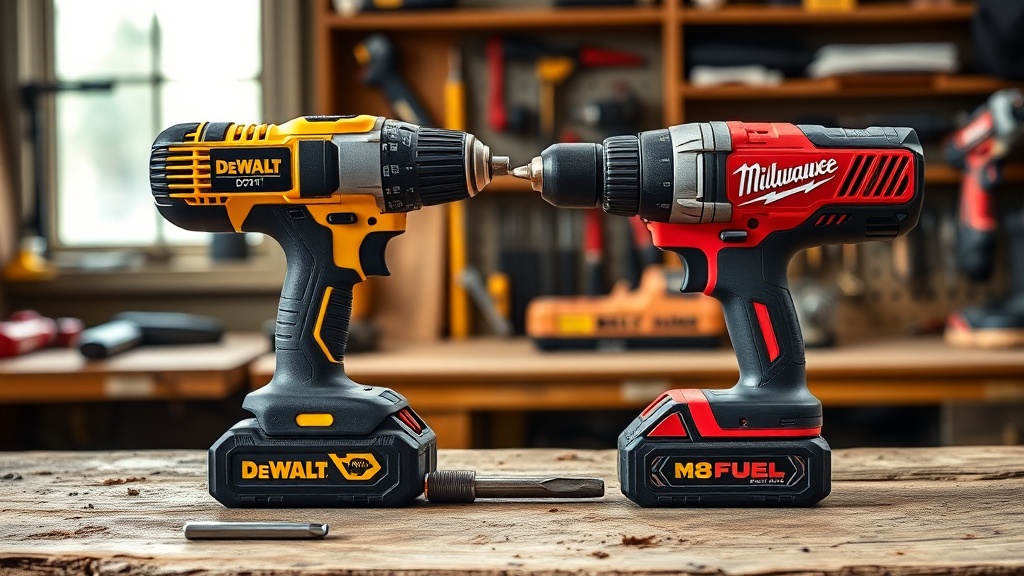
When it comes to cordless drill/drivers, the DeWalt DCD791 and Milwaukee M18 FUEL (model 2804-20) are two of the most popular choices among professionals and serious DIYers. Both tools offer brushless motors, compact designs, and impressive torque, but they are not immune to issues. This guide focuses on real-world troubleshooting, comparing common problems, repair costs, and solutions to help you keep your drill running on the job site or in the workshop.
Why Does the DeWalt DCD791 Trigger Feel Sticky or Unresponsive After Heavy Use?
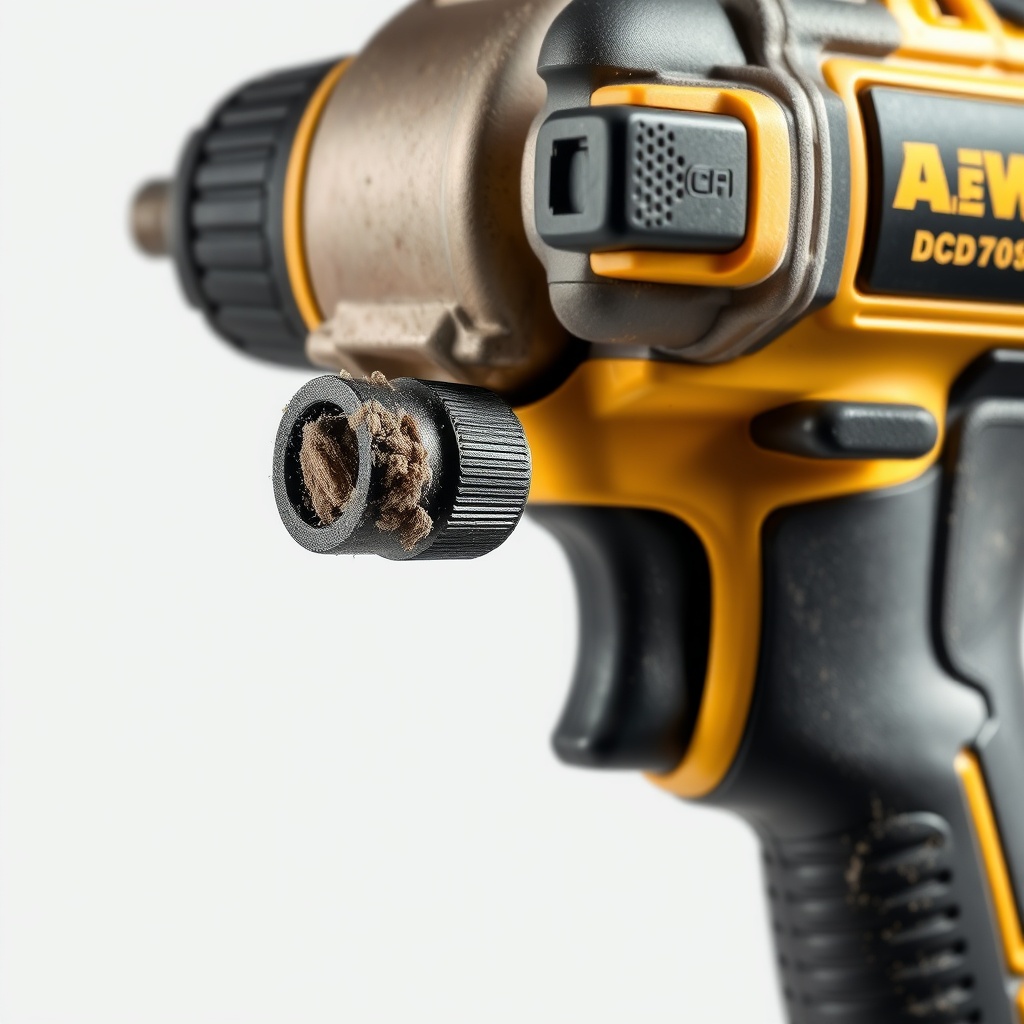
The variable-speed trigger on the DCD791 can become stiff or unresponsive due to dust, debris, or wear on the internal potentiometer. This is a frequent complaint after drilling into masonry or drywall without a dust shroud. The trigger mechanism relies on a small spring and metal contacts; over time, fine particles can cause intermittent function or a permanent “on” state.
- Cleaning method: Remove the battery, blow out the trigger housing with compressed air (80-100 PSI), and apply a contact cleaner like CRC QD Electronic Cleaner to the trigger pivot point. Let it dry for 10 minutes.
- Repair cost: A new trigger switch assembly for the DCD791 costs around $12 to $18 (USD) online. Labour for a pro repair runs $40-$60 for bench time.
- Milwaukee M18 FUEL comparison: The Milwaukee 2804-20 trigger is sealed more effectively, but it can still suffer from sticky switches if used in wet conditions. The Milwaukee trigger assembly is pricier at $25-$30 for the part.
If cleaning fails, you will need to replace the switch. For the DCD791, remove the two T15 Torx screws on the handle and carefully pull the housing apart to access the switch wiring. Solderless connectors make this a 15-minute job for a competent DIYer.
How to Fix an Overheating Milwaukee M18 FUEL Drill During Heavy Drilling?
The Milwaukee M18 FUEL (2804-20) can overheat during continuous hole sawing or auger work, especially in hardwoods or metal. The thermal protection circuit may shut the tool down after 10-15 minutes of sustained load. This is a known design limitation: the brushless motor generates heat that the plastic housing dissipates poorly compared to aluminum-chassis drills.
| Issue | DeWalt DCD791 | Milwaukee M18 FUEL (2804-20) |
|---|---|---|
| Overheat shutdown threshold | ~70°C (158°F) internal temp | ~75°C (167°F) internal temp |
| Common cause | 4″ holesaw in pressure-treated lumber | 1/2″ auger bit in oak for >5 minutes |
| Cool-down time typical | 5-8 minutes | 8-12 minutes |
| Repair cost (new motor assembly) | $75-$90 | $95-$120 |
| Severity rating | Medium | Medium-High |
To prevent overheating, always use sharp bits and apply moderate feed pressure. If your Milwaukee drill repeatedly shuts off, check that the battery contacts are clean—corroded contacts increase resistance and heat. You can also reduce the speed setting to the lowest gear (1) for high-torque applications. If the motor smells burnt or runs rough after cooling, the internal windings may be damaged; replacement motor costs around $95 (USD) plus labour.
DeWalt DCD791 Chuck Not Gripping Bits Properly—What to Do?
The DCD791 uses a single-sleeve ratcheting chuck that can develop slippage after months of heavy use. This occurs when the internal jaws become misaligned or when debris accumulates in the three-jaw mechanism. Users report bits spinning loose under loads above 500 in-lbs (56 Nm).
- Inspect the jaws: Open the chuck fully and shine a flashlight inside. Look for sawdust or metal shavings. Use a small pick to remove debris.
- Tightening technique: Always engage the chuck with the drill set to the lowest speed gear. Hand-tighten firmly before pulling the trigger to lock it. For Milwaukee, the M18 FUEL has a similar plastic chuck housing that can crack if overtightened with a chuck key.
- Replacement option: A Rohm replacement chuck (3/8″ capacity) fits the DCD791 and costs $30-$45. Installation requires removing the chuck retaining screw (T20 Torx) and using an Allen key to unscrew the chuck from the spindle.
If you are drilling into metal and the bit spins, stop immediately to avoid burning the shank. The DCD791’s chuck is considered less robust than the all-metal chuck on some higher-end models. Milwaukee’s M18 FUEL chuck is also plastic, but it tends to hold better due to a deeper bite; however, it can still loosen at extreme angles.
What Causes a Rattling Noise in the Milwaukee M18 FUEL Gearbox?
A rattling sound from the front of the Milwaukee 2804-20 usually indicates worn planet gears or a failing bearing in the two-speed gearbox. This is more common on units used for heavy mixing or right-angle drilling. The noise typically appears after 200-300 hours of use.
To diagnose, switch between speed 1 and 2 while the drill is off. A distinct grinding or clicking noise suggests gears are skipping. Open the gearbox by removing the four Phillips screws on the front housing. Inspect the small planet gears (two should spin freely). If any gear has chipped teeth, you need a complete gearbox replacement (part number 14-20-0420, about $65 USD).
Prevention: Avoid running the drill in speed 2 when using large hole saws or mixing paddles. Speed 1 provides 1,200 in-lbs of torque but at lower RPM, reducing gear stress. The DeWalt DCD791 gearbox is similar but uses a helical cut gear set that is slightly quieter; rattling in a DCD791 typically points to a loose chuck retaining screw rather than internal gear damage.
How to Troubleshoot a DeWalt DCD791 That Runs at Full Speed Only?
A DCD791 that only runs at maximum speed when the trigger is pulled—with no variable speed control—usually has a failed controller board. This happens when the brushless motor controller overheats or takes a moisture hit. The tool may also show a flashing battery indicator light.
- Check battery first: Try a fully charged 5Ah battery. Low voltage on a dying battery can confuse the controller.
- Repair vs replace: The controller board (part number DCB606-2) costs $45-$60. If the tool is out of warranty (3-year limited), it is often cheaper to buy a new DCD791 bare tool at $129-$159 (USD) rather than pay a repair shop $80 bench fee plus parts.
- Milwaukee equivalent: The M18 FUEL can have a similar issue where the controller fails to modulate speed; this is less common but more expensive—replacement controller runs $80-$100.
If your drill is out of warranty and the repair cost exceeds 60% of a new tool, consider upgrading to a newer model with improved electronics.
Battery Compatibility Issues: Can You Use 20V Max Batteries on the Milwaukee M18 FUEL?
Customers sometimes try to use cross-brand batteries due to adapters available online. The short answer is no. The DeWalt DCD791 uses 20V Max (18V nominal) batteries with a sliding tab system. Milwaukee M18 FUEL uses a different voltage range (18V nominal with different BMS communication protocol). Using an adapter can cause sparking, BMS lockout, or even fire.
If your DCD791 or M18 FUEL fails to power on with a known good battery, clean the battery contacts with a pencil eraser and check for bent terminals. For the Milwaukee, some users report that the battery release button can jam, preventing full insertion—clean the latch area with isopropyl alcohol.
Cost of new batteries: A DeWalt 20V Max 5Ah battery costs $89-$119 (USD), while a Milwaukee M18 RedLithium 5.0 is $109-$129. Third-party batteries can save money but may cause performance issues (reduced runtime, sudden stops). Stick with OEM for reliability.
What Owners Say About the DeWalt DCD791 vs Milwaukee M18 FUEL
Online forums and reviews reveal a clear divide. Owners of the DeWalt DCD791 praise its lightweight feel (3.4 lbs with battery) and excellent ergonomics for overhead work. However, many note that the chuck loosens more than expected. Milwaukee M18 FUEL owners love the sheer power (1,200 in-lbs vs DCD791’s 754 in-lbs) and the REDLINK Plus intelligence that protects the tool, but they complain about the bulkier head (longer by 0.6 inches) and the higher price point.
A common theme among experienced users: The DCD791 is the better choice for general carpentry and framing if you value comfort and value. The Milwaukee M18 FUEL is preferred for masonry drilling, mixing, and heavy-duty tasks where torque matters more than weight. Failure rates after 2 years appear similar—around 5-8% for both, with the DCD791 more likely to have trigger issues and the Milwaukee more likely to suffer gearbox wear.
Frequently Asked Questions
Q1: Which drill has more torque, DCD791 or M18 FUEL?
The Milwaukee M18 FUEL (2804-20) produces 1,200 in-lbs of torque, while the DeWalt DCD791 delivers 754 in-lbs. For drilling large holes or mixing thick compounds, the Milwaukee is clearly more powerful.
Q2: Can I use a Milwaukee battery in a DeWalt drill with an adapter?
No. Using a cross-brand adapter is dangerous due to different voltage communication. The DeWalt system uses a 4-terminal connection while Milwaukee uses 3-terminal with different polarity. Adapters can cause short circuits, tool damage, and battery fires.
Q3: How much does it cost to repair a DCD791 trigger?
If you DIY, a replacement trigger switch costs $12-$18 for the part. If you take it to a repair shop, expect a $40-$60 bench fee plus parts. Total around $60-$80 USD.
Q4: Is the Milwaukee M18 FUEL worth the extra money?
With the bare tool price around $199 (USD) vs DCD791 at $149, the Milwaukee costs about 33% more. If you regularly drill into concrete or use large hole saws, the extra torque and build quality justify the price. For light framing or DIY, the DCD791 is better value.
Q5: Why does my drill make a clicking sound when in reverse?
This is often a result of backlash in the gear train. Both drills can make a single click when reversing direction under load; that is normal. However, repeated clicking or skipping indicates a worn ratcheting system in the chuck or a failing planet gear. Inspect the chuck jaws and gearbox.
Q6: How do I reset the overload protection on my Milwaukee M18 FUEL?
If the drill shuts down due to overload, remove the battery, wait 30 seconds, and reinsert. If it still doesn’t run, check for a flashing battery indicator—this means the battery is overheated. Place the battery on a cool surface for 15 minutes. The drill will reset automatically once the electronics cool.