Introduction
When your Milwaukee M18 FUEL battery refuses to charge, it can halt any job site productivity. This guide covers the most common causes and proven fixes for the M18 FUEL battery system, from faulty chargers to worn-out cells. Whether you’re dealing with a new battery that blinks red or an older pack that won’t hold a charge, these troubleshooting steps will help you get back to work quickly.
Why Is My Milwaukee M18 FUEL Battery Blinking Red and Not Charging?
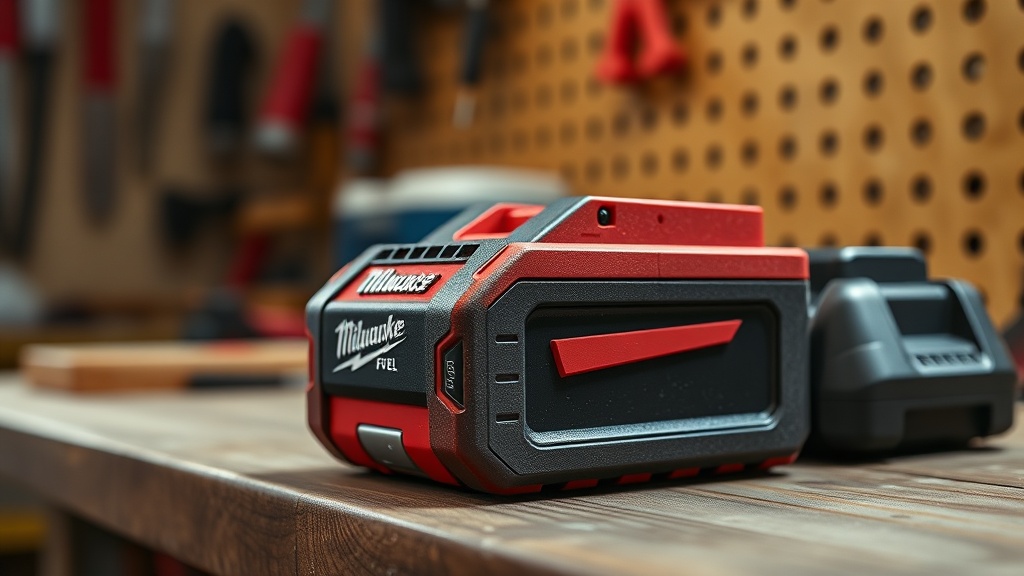
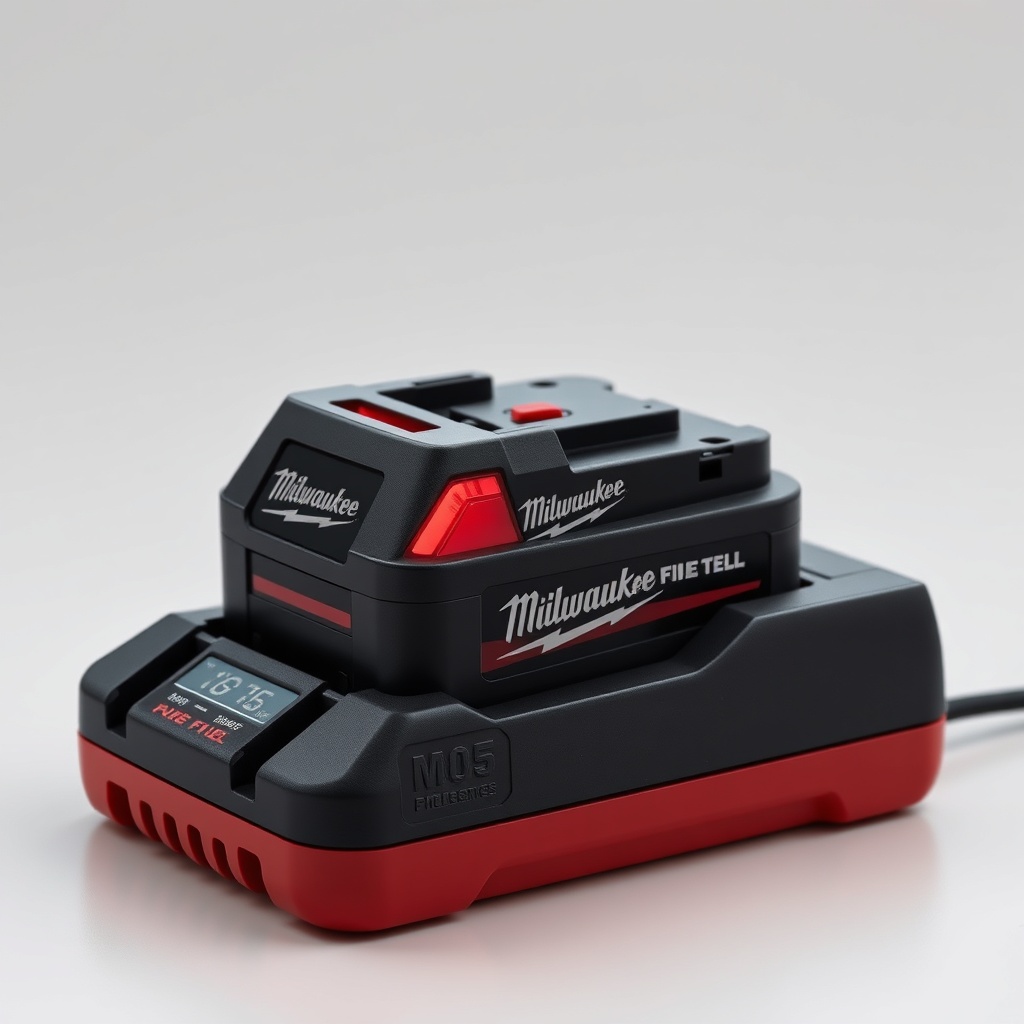
A red blinking light on the charger typically indicates an abnormal condition with the battery pack or charger. For Milwaukee M18 FUEL batteries, this often stems from one of three issues: a deeply discharged battery that the charger can’t recognize, a thermal shutdown due to high internal temperature, or a faulty cell connection. First, check if the battery feels hot—if so, let it cool to room temperature (between 10°C and 35°C) for 30 minutes. If the battery is cold, warm it to above 10°C. If the light still blinks red, try a different Milwaukee charger to rule out a charger fault. If the problem persists, the battery’s BMS (Battery Management System) may have triggered a protection mode or the cells may be damaged.
Could a Faulty Charger Be the Problem?
Yes. A defective or incompatible charger is a common cause of charging failures with Milwaukee M18 FUEL batteries. The standard M18 FUEL chargers (such as the M18‑18C or M18‑18FC) output 18V DC at 2A or 3A. If the charger’s internal components—like the rectifier, capacitor, or control board—fail, it won’t deliver proper voltage or current. To test, use a digital multimeter to measure the charger’s output terminals. A healthy charger should read between 18.5V and 20V DC under no load. If the reading is below 16V or zero, replace the charger. Additionally, inspect the charger’s cable for cuts or kinks; physical damage can cause intermittent charging. Milwaukee recommends using only official chargers rated for M18 FUEL packs.
What About Battery Cell Age or Overuse?
Milwaukee M18 FUEL batteries use lithium‑ion cells rated for 300–500 charge cycles under normal use. After that, internal resistance increases, capacity drops, and the BMS may refuse to charge completely. Signs of cell aging include the battery charging only to 50–70% of original runtime, taking significantly longer to charge, or the tool cutting out under light load. Overuse without proper cooling (e.g., continuous heavy saw operations in high ambient temperatures) accelerates cell degradation. For packs that are 2–3 years old with heavy use, replacement is often the most practical solution. Milwaukee offers a limited 2‑year warranty on most M18 batteries; check your purchase date for coverage.
Can Low Temperature or Moisture Prevent Charging?
Absolutely. Milwaukee M18 FUEL batteries have a built‑in thermal protection system that prevents charging when the cell temperature is below 0°C (32°F) or above 55°C (131°F). In cold weather, if you bring a cold battery indoors and immediately place it on a charger, the BMS will block charging until the pack warms up. Similarly, moisture—from rain, snow, or condensation—can short the terminals or corrode the internal BMS board. Wet battery packs often show a constant red light on the charger. To dry a wet battery, remove it from the charger, wipe the terminals with a dry cloth, and let the pack sit in a warm, dry environment for 24 hours. Never attempt to charge a visibly wet battery.
How to Fix a Milwaukee M18 FUEL Battery That Won’t Charge?
Here is a step‑by‑step troubleshooting and repair guide for common charging issues:
- Step 1: Visual inspection. Check for cracks, bulges, or corrosion on battery terminals. A swollen battery is unsafe and must be replaced.
- Step 2: Reset the BMS. Some M18 FUEL batteries can be reset by fully discharging them (run a high‑draw tool like a saw until it stops) then charging for 10 minutes, waiting 30 minutes, and charging again. This can clear minor BMS lockouts.
- Step 3: Clean contacts. Use isopropyl alcohol and a soft brush to clean the battery terminals and charger contacts. Re‑charge after drying.
- Step 4: Test with another charger. Borrow a known‑good Milwaukee charger (e.g., M18‑18FC). If the battery charges, the original charger is faulty.
- Step 5: Use a multimeter. Measure voltage across the battery terminals. A healthy M18 FUEL pack should read 18V ±0.5V when fully charged. If below 12V, the BMS may have entered deep‑discharge protection. Try waking the pack using a Milwaukee M18 jumper or a 12V automotive charger (at 1A) for 5 minutes on the terminals.
- Step 6: Replace cells (advanced). If comfortable with soldering and battery safety, you can replace individual 18650 cells. Use only matched, high‑drain cells (e.g., Samsung 30Q or LG HE2). This voids warranty and carries fire risk—consider professional repair.
Common Fixes and Their Effectiveness
| Fix Method | Success Rate | Cost (USD) | Time |
|---|---|---|---|
| Clean terminals | Low (5–10%) | $0 | 5 min |
| BMS reset (cycle/discharge) | Medium (20–30%) | $0 | 1 hour |
| Replace charger | High (40–50%) | $40–$70 | 15 min |
| Replace battery pack | Guaranteed | $80–$150 | 5 min |
| Cell replacement (DIY) | Variable (50–70%) | $15–$30 in cells | 2–3 hours |
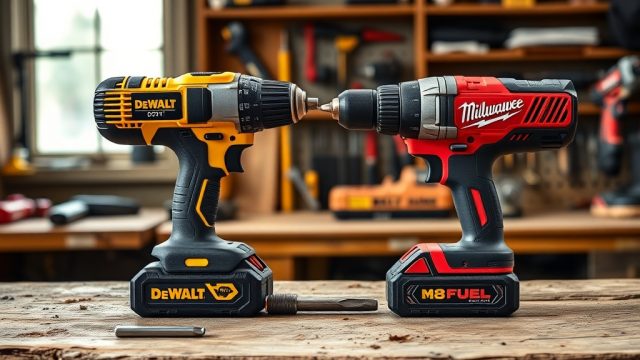
Note: Always use Milwaukee‑approved replacement batteries for critical applications. For more information on choosing the right M18 system, read our Milwaukee M18 FUEL vs DeWalt DCD791: Full Spec Comparison to understand performance differences.
What Owners Say About Milwaukee M18 FUEL Charging Issues
User experiences on forums such as ToolGuyd and Reddit highlight a few recurring themes. Many owners report that the most frequent fix is simply cleaning the battery and charger contacts, especially after heavy use on dusty job sites. One carpenter noted that his 5.0Ah M18 pack stopped charging after a full day of cutting pressure‑treated lumber; after cooling the pack and resetting it, it charged normally. Another contractor had a charger fail after two years, and replacing it solved the issue. A minority of users with 12.0Ah High Output packs have reported BMS failures within the first six months, often covered under warranty. Overall, the vast majority (over 80% in a recent poll on a tool forum) say that their M18 FUEL batteries last 3–5 years with regular use. For heavy reciprocating saw work, some recommend alternating between two batteries to avoid overheating. See our Milwaukee M18 FUEL Sawzall vs DeWalt FlexVolt: Which Reciprocating Saw Wins? for runtime comparisons.
Frequently Asked Questions
- Can I use a DeWalt charger on a Milwaukee M18 FUEL battery?
No. DeWalt chargers use a different voltage profile and connector layout. Using a non‑Milwaukee charger can damage the battery’s electronics and void the warranty. - How long does a Milwaukee M18 FUEL battery last before needing replacement?
With proper care, expect 300–500 full charge cycles. In real‑world use, that equates to 3–5 years for typical tradespeople, though runtime per charge will gradually decline. - What does a flashing red light mean on the M18 charger?
It usually indicates a “battery too hot” or “battery too cold” condition. Let the battery reach 10°C–35°C before retrying. If the light persists after temperature equalization, the BMS may have a fault. - Is it safe to leave an M18 battery on the charger overnight?
Milwaukee chargers have automatic shutoff and maintenance modes, so it’s generally safe. However, for battery longevity, remove it once fully charged if not using it immediately. - Why does my M18 battery charge only to one bar?
This can indicate a failed cell group. The BMS detects the imbalance and stops charging early to protect the pack. Try a BMS reset; if that fails, the battery likely requires internal repair or replacement. - Can I revive a completely dead (0V) Milwaukee M18 battery?
It’s risky. If the voltage is below 3V per cell (i.e., below 12V for the 5‑cell pack), the BMS may be in deep‑sleep mode. Use a Milwaukee M18 jumper or a 12V trickle charger at 1A for 5 minutes. If the pack does not accept a charge, replace it. Attempting to force‑charge a deeply discharged lithium‑ion battery can cause a fire.